ما به‌عنوان شیعه علی چه نقشی در عصر خود ایفا می‌کنیم؟ مطلب ویژه

(0 رای‌ها)
 
 
زهرا نصیری - مردم‌نو؛ مظلومیت، واژه غریبی‌ست که در میان شیعیان تداعی‌گر رنج‌هایی است که بر ائمه علیهم‌السلام به‌ویژه امام علی علیه‌السلام رفته و همواره مردم هر عصری، مردمان عصر پیش از خود به‌خصوص مردم هم‌عصر ائمه علیهم‌السلام را مورد ملامت و لعن قرار می‌دهند که چرا امام و مولای خود را به‌دست غربت و تنهایی سپردند و باعث مظلومیت حق شدند. البته که مورد ظلم قرار دادن حق، مذموم است و تنها گذاشتن امام و هادی راه نکوهیده، اما نکته قابل تامل این است که آیا این مظلومیت مختص آن دوره از تاریخ بوده و مردمان بعد از آن به وظیفه خود آنگونه که باید عمل کرده‌اند؟ اگر چنین است لاجرم باید در عصر کنونی، مظلومیت از چهره شخصیت و معارف امام علی علیه‌السلام زدوده شده بود و با آثار گران‌سنگی که از آن حضرت به‌جا مانده، معارف نورانی سیره و حکمت علوی به جهانیان عرضه می‌شد. اما به‌راستی شیعه تا چه حد در این راه موفق عمل کرده است؟
ما به‌عنوان شیعه علی چه نقشی در عصر خود ایفا می‌کنیم؟در این خصوص با حجت‌الاسلام دکتر یحیی جهانگیری سهروردی - مدیرکل ارتباطات علمی و بین‌المللی دانشگاه مذاهب اسلامی به گفت‌وگو نشسته‌ایم که در ادامه از نظرتان می‌گذرد.
جهانگیری اظهار می‌کند: یکی از مواردی که ما بدان مبتلا هستیم و تبدیل به بلای خانمان‌سوز و جانکاه ما شده، این است که خیلی راحت درباره تاریخ قضاوت می‌کنیم، حال آنکه نمی‌دانیم اگر ما در آن برهه تاریخی حضور داشتیم، چه نقشی ایفا می‌کردیم. متاسفانه ما به‌راحتی خود را می‌پیراییم، اما خبر نداریم که چگونه تاریخ را آلاییده‌ایم.
وی عنوان می‌کند: ما باید بیش از اینکه از تاریخ و وقایع آن خبر دهیم، باید از خود سوال کنیم که اگر در آن برهه از تاریخ بودیم، چه می‌کردیم. به‌جای بیان جمله‌های خبری از تاریخ، باید با جمله‌های استفهامی از خود بپرسیم که اگر در برهه تاریخی زندگی حضرت علی علیه‌السلام حضور داشتیم، چه نقشی ایفا می‌کردیم.
این مبلّغ بین‌المللی با بیان اینکه امام علی علیه‌السلام مظلوم در تاریخ، نه که مظلوم تاریخ است، تاکید می‌کند: یادمان باشد که علی علیه‌السلام فقط مظلوم در برهه‌ای از تاریخ نبود، بلکه او مظلوم هماره تاریخ است.
وی می‌افزاید: امام علی علیه‌السلام به مردم زمان خود فرمودند: «بپرسید از من قبل از آنکه از میان شما بروم» و ما همواره تاریخ را محکوم می‌کنیم که از نعمت وجود امام بهره کافی نبردند، اما جا دارد این سوال را هم از خود بپرسیم که امروز ما چقدر آموزه‌های امام علی علیه‌السلام را در نهج‌البلاغه مطالعه می‌کنیم و چقدر در معرفی نهج‌البلاغه و غررالحکم تلاش کرده‌ایم؟ اصلا امروز چقدر گوش ما آماده شنیدن سخنان امام علی علیه‌السلام است؟ با پاسخ به این سوالات می‌بینیم که ما خود را محروم کرده‌ایم، اما به‌راحتی درباره تاریخ قضاوت می‌کنیم. نکند ما هم هر سال، شب ۱۹ ماه رمضان یک ابن‌ملجم باشیم؟ او اگر شخص علی را ترور کرد، نکند ما هم با عدم معرفی علی علیه‌السلام به دنیا، به شخصیت حضرت ضربه بزنیم.
مدیرکل ارتباطات علمی و بین‌المللی دانشگاه مذاهب اسلامی در ادامه به نقل خاطره‌ای از یک سفر تبلیغی خود می‌پردازد و می‌گوید: سال ۸۹ برای تبلیغ در بلاروس بودم. روزی یکی از اساتید را در کتابخانه دیدم. تا فهمید من مسلمانم، از تروریسم پرسید. - متاسفانه در جهان امروز، اسلام مساوی با ترور است - بعد از صحبت و گفت‌وگو و پرسش و پاسخ، به نظر می‌رسید که راضی شده است و خواست که خداحافظی کند. من هم به‌منظور بدرقه او بلند شدم، اما او ترسید و گفت شما مرا تعقیب می‌کنید؟ برایش توضیح دادم که ما طبق سنتمان، شایسته می‌دانیم اگر با کسی نشستیم او را بدرقه کنیم. او مشتاقانه پرسید: کدام فیلسوفی به شما این آموزه‌ها را آموخته است؟ وقتی خواستم بگویم امام علی علیه‌السلام، دیدم او که امام نمی‌شناسد. لذا گفتم: این جمله از پرفسور علی است. شب همان روز ایمیل زد که من هرچه در گوگل professor Ali جست‌وجو کردم، چیزی نیافتم. من هم در پاسخ او، زندگینامه امیر کلام را پیدا کردم و به‌جای کلمه امام، پرفسور گذاشتم و بعدها در تداوم ارتباط به او فهماندم که علی علیه‌السلام فراتر از پرفسورهاست. آنجا بود که دیدم ما امام علی علیه‌السلام را حتی به اندازه یک پرفسور هم به دنیا معرفی نکرده‌ایم.
جهانگیری اظهار می‌کند: ما تنها از ضربت خوردن امام و مظلوم ماندن شخص علی علیه‌السلام سخن می‌گوییم، اما هرگز به این توجه نمی‌کنیم که چقدر شخصیت علی علیه‌السلام با رفتارها و کردارهای ما ضربه می‌بیند. اهمیت کردار کسانی که تحت عنوان شیعه هستند، از کلام امام صادق علیه‌السلام نمایان است که می‌فرمایند: «يا مَعْشَر الشِّيعَةِ إنَّکمْ قَدْ نُسِبْتُمْ إلَينا کونُوا لَنا زَيْناً وَ لا تَکونُوا عَلَيْنا شَيْناً؛ ای شيعيان، شما به ما منسوب هستيد، پس مايه زينت ما باشيد، نه مايه آبروريزي ما.» حال باید از خود پرسید ما به‌عنوان شیعه امام علی علیه‌السلام، در عصر خود چه نقشی ایفا می‌کنیم و چقدر مایه زینت ائمه هستیم؟
وی تاکید می‌کند: نتیجه جلسات روضه ما باید این باشد که معارف اهل بیت علیهم‌السلام را برای خود آموزه قرار دهیم، نه اینکه آن‌ها را مخصوص موزه کرده و فقط در جلسات روضه عنوان کنیم. ما باید به‌جای روایت صرف از زندگی اهل‌بیت، در سیره ائمه درایت کنیم و هر روز را برای خود عاشورایی ببینم که قرار است در آن با جبهه باطل مبارزه کنیم.
این مبلّغ بین‌المللی با بیان اینکه مطالعه مردم‌شناسی و جامعه‌شناسی شیعه نشان می‌دهد که همواره یک نگاه انفعالی به شعیان داده شده است، تصریح می‌کند: به‌طور مثال شیعیان در بحث ظهور همیشه منتظر بوده‌اند که امام زمان علیه‌السلام بیاید و مردم را از ظلم و ستم نجات دهد، اما امام خمینی با نهضت خود تبیین کرد که مردم باید مقدمات را آماده کنند و از این طریق، مقوله ظهور را به انتظار نشستن نه، بلکه به انتظار ایستادن تعبیر کردند. لذا ما امروز باید ببینم که تکلیفمان کدام است و به آن عمل کنیم.
 
ارتباط با سردبير
 

حجت الاسلام جهانگیری سهروردی در گفتگو با شبستان؛ 
شب قدر شب تسلیم به سرنوشت نیست شب تقدیم برنامه است
خبرگزاری شبستان: مدیرکل ارتباطات علمی و بین المللی دانشگاه مذاهب اسلامی با بیان اینکه شب قدر شب تسلیم به سرنوشت نیست بلکه شب تقدیم برنامه است، گفت: در شب قدر باید یک برنامه مطالعاتی بریزیم و آن را به محضر خدا عرضه کنیم.


حجت الاسلام یحیی جهانگیری سهروردی، مدیرکل ارتباطات علمی و بین المللی دانشگاه مذاهب اسلامی در گفت و گو با خبرنگار قرآن و معارفخبرگزاری شبستان با اشاره به معنای بلند شب قدر گفت: قدر به معنای ارزشمندی یک شب است دلیلش هم این است که امشب شب عصاره  تمام سال است.

وی با بیان اینکه اگر تمام سال در ماه رمضان جمع شده و ماه رمضان در دهه آخرش، این دهه آخر جمع می شود در شب قدر، خاطرنشان کرد: عصاره زندگی سالانه انسان در شب قدر معلوم می شود، ما در عمرمان بیش از چند ده شب قدر نخواهیم دید که تمام فشرده زندگی ماست از این رو شب قدر به "شب ارزشمند" نامیده شده است به این دلیل که در امشب هم از حیث معنوی و هم از حیث تکوین اتفاقاتی می افتد که می ارزد به تمام روزهای سال.

حجت الاسلام جهانگیری سهروردی نزول ملائکه الهی و روح را نشان دهنده ارزش این شب دانست و بیان داشت: برخی معتقدند شب قدر به معنای شب تقدیر زندگی سالانه ماست به نظر می رسد هر دو یک معنا را می گویند وقتی در یک زمان و یک شب برنامه ریزی یک ساله شود حتما شب بزرگی است.

مدیرکل ارتباطات علمی و بین المللی دانشگاه مذاهب اسلامی با بیان اینکه بنده معتقدم شب قدر شب تقدیر نوشتن است نه شب تسلیم به تقدیر نوشته شده، اظهار کرد: به این معنی که خود ما امشب تصمیم می گیریم و برای یک سال خود برنامه ای می ریزیم و از خدا می خواهیم این برنامه را تایید کند و موانع رسیدن به آن را از ما دور نماید.

وی با بیان اینکه بنابراین شب قدر شب تسلیم به سرنوشت نیست بلکه شب تقدیم برنامه است، تصریح کرد: در شب قدر باید در مورد دو دهه روزه گرفتن در این ماه فکر کنیم و یک برنامه مطالعاتی بریزیم و آن را به محضر خدای متعال عرضه کنیم.

حجت الاسلام جهانگیری سهروردی با بیان اینکه از خدا بخواهیم عوامل را تمهید کن، زمینه و زمانه را آماده کن تا این کار تحقق پیدا کند، ادامه داد: باید بتوانیم نگاه مردم را به دین عوض کنیم و بگوییم در شب قدر سرنوشت را خودتان می خواهید بنویسید پس با دست پر پیش خدا بیایید، بنابراین با یک برنامه ریزی کامل و مدیریت استراتژیک بیایید ولی عوامل پنهان و پیش بینی نشده را در نظر بگیرید.

مدیرکل ارتباطات علمی و بین المللی دانشگاه مذاهب اسلامی افزود: بعد از ارائه برنامه از خدای متعال بخواهیم که موانع پیدا و پنهان را خودت جمع و جور کن، از طرفی چون قرآن در این شب بزرگ نازل شده است بسیار شب ارزشمند و بزرگی است زیرا قرآن برنامه زیست بشر است برای همه و برای همیشه و کتاب جاودانه بشریت می باشد.  

مدبرات امر انسان ها به دست ملائکه الهی

وی با اشاره به فلسفه نزول ملائکه و روح در این شب تاکید کرد: ملائکه هر کدام رسالتی مانند حیات، مرگ، باد، باران و غیره را بر دوش دارند، بنابراین امشب وقتی برنامه را ریختیم می خواهیم که این ملائکه به برنامه ما کمک کنند.

حجت الاسلام جهانگیری سهروردی ادامه داد: خدا ملائکه را می فرستد به این جهت که اگر ما در برنامه مان رفتن به مکانی است و مقدر است که آن مکان در زمانی از سال آتش بگیرد ملائکه آن را تدبیر کنند، ما در شب قدر باید از این مدبرات امر به این برسیم که به جز ما چیزهای دیگری هستند که عالم را مدیریت می کند و از خدا می خواهیم این عوامل با ما همسو باشد برای رسیدن به هدف.

مدیرکل ارتباطات علمی و بین المللی دانشگاه مذاهب اسلامی گفت: ملائکه پیش ما هستند تا نشسته برنامه یک ساله مان را تنظیم کنند و اگر تقدیرمان نانوشته ای دارد آنها تنظیم کنند و همه اینها به معنای این است که همه عوامل می خواهند که تو در رسیدن به هدف توفیق داشته باشی.

خدا شب قدر را پنهان کرد تا تلاش تو را برای برنامه ریزی دقیق تر ببیند

وی با اشاره به پنهان ماندن شب قدر در روایات اسلامی خاطرنشان کرد: امام صادق (ع) فرمودند: خدا این شب را پنهان کرد تا تلاش تو را برای برنامه ریزی دقیق تر ببیند، به این معنی که اگر بدانیم شب قدر کدام است هر جور شده بیدار می مانیم در صورتی که اگر پنهان نباشد و رنجی ریخته نشود ارزش پیدا نمی کند چراکه ما ارج گنج را وقتی می فهمیم که رنجی به پایش بریزیم.

حجت الاسلام جهانگیری سهروردی اظهار کرد: خدا این شب را چندگانه کرده تا شب اول مورد درخواست قرار بگیرد، شب دوم مورد توجه و شب سوم مورد تایید نهایی، این مساله راز بزرگی دارد که می خواهد همت بلند ما را جدی تر کند و اراده ما را به اراده آهنی تبدیل کند.

مدیرکل ارتباطات علمی و بین المللی دانشگاه مذاهب اسلامی گفت: خدا می خواهد سه شب به طور جدی برنامه یک ساله را مرور کنیم که اگر دچار نقص است باز مرور کنیم و اگر چیزی زمین مانده باز مرور کنیم تا برنامه جامعی بنویسیم.

وی تاکید کرد: از منظر عرفانی معتقدیم شب قدر شب مشراطه است، به این معنی که با خود شرط می بندیم در طول سال به هدف های خود برسیم و از خدای متعال بخواهیم که موانع را بردارند.


پایان پیام/345
 

PhD Thesis: Expediency in Shiite Jurisprudence by Yahya Jahangiri


Expediency is one of the titles which have important statuses in the Islamic jurisprudence and its association with religious decrees is clarified while determining its concept and it specifies the authorities of the prudent leader.

This concept can be discussed and reviewed from various aspects and dimensions and jurisprudent meditations have a long history in Islamic religions especially Shiite jurisprudence in terms of some of its theoretical dimensions.

The Sunni Jurists, due to historical and ideological reasons, compared to the Shiite jurisprudence and statute book has had more tendency to design and review of expediency as a way of fulfilling the decrees of religion.

Abstract

Maslahat is an Arabic word which is used in Islamic Jurisprudence or fiqh, Maslahat is a rule in Islamic Jurisprudence which is used in many cases. Maslahat means profit and its meaning in Islamic Jurisprudence is similar to the meaning of this word. In Islamic Jurisprudence Maslahat means doing a work in the way that cause expediency and makes profit. The council of expediency in the system of the government of Islamic republic of Iran represents a unique institute. The mentioned institute has many works. I want to say that council of expediency has an important role for the government of is Islamic republic of Iran. Because the rule of Maslahat is an important role in Islamic jurisprudence and as we all know Islamic rules have an important impact on the law of Islamic republic of Iran and the Iranian government apply the mentioned rules. In this study we wanted to analyze the rule of Maslahat and its impact.

The fact is that the discussion of jurisprudence and expediency is a comparable, interreligious discussion and a jurisprudent philosophy. The decree of the necessity of paying attention to expediency in jurisprudence has not denied any of the religions; also, none of the Sunni religions, even Malekieh, absolutely accepts expediency.

What is intended by expediency in the technical terms of jurisprudence is not only attracting advantage and avoiding worldly disadvantages, but it also means maintaining the objectives of Sharia such as religion, self, rationality and generation.

 Expediency is divided into two groups in terms of durability and continuity: constant expediency and variable expediency.

Istihsan as a concept is close to equity in western law. However equity in western law is based on natural law, whereas Istihsan is essentially based on divine law.

Regarding questions related to God, ‘ibadat, humans should look to the Quran or theSunnahh for answers, but regarding the relationship between humans, mu’amalat, humans should look for the best public solution. Since societies change, al- Shatibi thought that the mu’amalat part of the Islamic Law also needed to change.

On the basis of Maslaha, the companions decided to issue currency, to establish prisons and impose Kharaj (agricultural land tax). The Ulama of Usul are in agreement that Istislah is not a proof in respect of devotional matters (Ibadah) and in respect of specific Sharia injunctions like shares of inheritance. The majority of Ulama maintain that Istislah is a proper ground for legislation.

Istiṣlāḥ may not be used when the material advantage to an individual or community directly conflicts with explicit teachings of Islām.

The time when the effect of both interest and harm appears is not limited in this world
but takes the hereafter with that time. The Sharia interest value is not just in the temporary pleasure, but it springs from the need of both body and soul.

Giving priority to protect religion over other things and the Muslim must sacrifice any
other interest to keep the interest of religion. Goodness and badness in human acts are considered as an impact and result of the Judgments of thing is be accepted or detested in Sharia.

Need to Discuss

In Muslim countries where Islam is the official religion, Sharia is declared to be a source, or the source, of the law; where the governments derive their legitimacy from Islam. In Pakistan, Iran, and Iraq, among others, it is also forbidden to enact legislation that is antithetical to Islam.

Accordingly, the serious challenge of Sharia in the new era consists of the fact that rules which could have been appropriate and efficient in the ancient society could not be necessary appropriate and efficient in the new conditions. This observation raises the question of efficiency and appropriateness of the Sharia in the modern world. Many critics against application of Sharia concern this observation. Furthermore; other challenge for Sharia consists of absence of rules of Sharia about new social and economic phenomenon in modern world and necessity of regulations in these respects. In fact, many new economic, social and political phenomenon and questions (like Banking, Corporation, Competition, Finance, Internet, Transport, Labor, Transsexual operation, Insurance, etc.) have been raised for the first time in the history and many of them need to be regulated by law. However, naturally there are not any specific rules in these matters in Sharia and Islamic law. (Babaei, June 2009, p. 2)

The Islamic legal system is fully equipped to deal with the first category of social changes. Even though the historical advent of Islam occurred during a specific time and in a specific place, it is quite reasonable to extrapolate a universal, ahistorical and timeless legal framework for different aspects of social relationships. Many legal aspects of social alterations can, in fact, remain stable in spite of their formal changes. This enables Islamic law (Sharia) to form a general juridical framework for the various categories of social associations. In reference to different sections of Islamic law, there exist a selection of unchanging, absolute and general rules that, at any time and place, all Muslims are obliged to respect; they are required to harmonize their public and private relationships with these rules (Vaezi, 2004, p. 30).

Are the mentioned observation and critics decisive? How Sharia could afford these challenges? Two absolutely different reactions and measures have been provided in Islamic societies to afford these challenges:

  1. avoiding the entrance of modernity to the society and so keeping away from modernity and the changes which it provokes in the social and human relations and so insisting on traditional life and relations; or
  2. Adapting new interpretation of Sharia by taking on consideration the new nature and exigencies of the modern social, economic and human relations and finding proper Islamic rules which satisfy the purposes and sprit of Sharia.

In this respect, the fundamental question is to know, how Sharia that is based on the words of God and Prophet in fifteen centuries ago could be adapted to the modern world. and how it could rest faithful to the purposes considered by Islamic rules and at the same time regulate efficiently and properly modern society, in despite of serious divergence of the nature and realities of modern social relations?

This is the way that many Islamic intellectuals have tried to draw and to traverse through since early 19th century. This is the way that many Islamic scholar’s particularly Iranian Islamic intellectuals have tried to traverse practically since Islamic revolution on 1979. (Babaei, June 2009, p. 3)

These examples of obligations, prohibitions and conditions concerning one aspect of social life, even though they do not embrace all the Islamic edicts in this field, help us to confront developing models of contracts. New forms of contracts, whether they are altered versions of familiar and prevailing models or entirely original ideas without previous record, can be categorized as either lawful or unlawful according to these three principals and so on. For instance, “insurance” is an example of an entirely new contract, while purchasing books via an online bookstore is merely a new method of trading which, although formally different, is a continuation of a particular category of business. When all these new forms of contracts adopt and fulfill the framework that has been drawn by Sharia, they are considered lawful (Vaezi, 2004, pp. 32-33).

Since, many Muslim-majority countries have now embarked upon conscious efforts to inject more religion into government. (Elbayar)

“An increasing number of Muslim-majority countries are inserting ‘Sharia supremacy’ clauses into their constitutions, making any legislation which contradicts the provisions of Islamic law unconstitutional. This trend is a continuation of one that began in 1979 in Pakistan with the passage of the Hudood Ordinance, and in Egypt with a 1980 amendment to the constitution stating that “the principles of the Islamic Sharia are the chief source of legislation.” More recently, the newly adopted Iraqi constitution included a clause stating that “no law can be passed that contradicts the undisputed laws of Islam.”” (Elbayar)

In fact, Western policymakers, ‘Islamic’ regimes, and indeed large numbers of individual Muslims have all grossly misinterpreted Islamic law. Sharia is not a rigid and immutable ‘law of God’ based on unchanging texts written in the middle Ages. Understood and applied correctly, Sharia is an imminently flexible, dynamic jurisprudence that is fully compatible with the modern human rights framework. (Elbayar)

Some believe that religious orders provide God’s favor, but public expediency provides human desires. The slogans: “either God or people”, “either religion or the masses” and “either Divine Law or mankind” show how disagreement exists between them.

Undoubtedly, harm cannot be converted into something that is benefit and vice versa. Therefore, it is important to note that the consequences of this benefit should be with Sharia objectives. It has also been an accepted principle in Islamic jurisprudence to give priority to public interest over individual interest. (Mashal, 2010)

Imam Khomeini as an expert on religion and one, whose entire efforts are directed towards implementing the Divine laws, forcefully defends the society’s rights and demands.  This reveals that laying emphasis on theo-centrism does not necessarily lead to repudiation of people and their demands or the other way round, laying emphasis on people’s rights does not lead to repudiation of theo-centrism. This point was emphasized for the reason that at one time in the west’s brief history, they spoke of the sovereignty of religion of the Middle Ages and public expediency was neglected; and at one time they spoke of public general expediency / interest and religion was treated unfairly. Thus, the aforesaid emphasis reveals Islam’s ability to coordinate and synchronize these two fields. (Mansour-nejad, p. 6)

Imam Khomeini announced that:

“These men shall consider that expediency is one of the important affairs neglecting which sometimes causes the failure of the dear Islam. Nowadays, the Islamic world considers the Islamic republic of Iran as the display of all of the resolutions of his problems. The expediency and people are important affairs resisting which might question the Islam of the barefoot on the earth in the short and long time…”

According to the Shiite political narration, expediency is considered a part of the rules of Solution of “Opposition of interests”, so it is evaluated as an Essential. According to this interpretation, Ayatollah Khomeinis (P.B.U.H) emphasis on the necessity of considering Islams expediency and Muslims interests in controlling society and also his opinion about the establishment of Expediency Council can be considered as the climax of a process that has existed from the first steps of establishment of Islamic Government.

The revival and application of this process has been one of the main enterprises that Shiite thought has experienced after its success in gaining the leadership of society in 20th century.

A more liberal strain of utilizing Expediency Rule has been important in the 20th century in Shia and Sunni era. Rashid Rida was one the prominent scholar paid more attention on it. He considered that the “no harm no retribution” which is one of the basic hadith in Islamic jurisprudence, the supreme principle of legal liberalism, trumping all other principles of Sharia. (Vikør, 2005, pp. 234-235)

by putting forward the idea of general (public) expediency (common
good) the slogans “either God or people,” “either religion or the masses,” and
“either Divine Law or mankind” become baseless as well because as an expert
on religion and one whose entire efforts are directed towards implementing the Divine laws, Imam Khomeini forcefully defends the society’s rights and
demands. This reveals that laying emphasis on theocentrism does not
necessarily lead to repudiation of people and their demands or the other way
round, laying emphasis on people’s rights does not lead to repudiation of
theocentrism. This point was emphasized for the reason that at one time in the west’s brief history, they spoke of the sovereignty of religion of the Middle
Ages and public expediency (good) was neglected; and at one time they spoke
of public (general) expediency (interest) and religion was treated unfairly. Thus, the aforesaid emphasis reveals Islam’s ability to coordinate and synchronize these two fields.

This research is significant from theoretical and practical perspectives. It aims to
contribute to the body of knowledge on Islamic Fiqh, particularly on theoretical issues of Maslaha. Accordingly, it offers insights on the dynamic Fiqh.

Background Literature

Expediency is one of the titles which have important statuses in the Islamic jurisprudence and its association with religious decrees is clarified while determining its concept and it specifies the authorities of the prudent leader. This concept can be discussed and reviewed from various aspects and dimensions and jurisprudent meditations have a long history in Islamic religions especially Shiite jurisprudence in terms of some of its theoretical dimensions.

The Sunni Jurists, due to historical and ideological reasons, compared to the Shiite jurisprudence and statute book has had more tendency to design and review of expediency as a way of fulfilling the decrees of religion. (Jahangiri, 1393 A.h., p. 21)

The foundations for philosophical discussion of Maslaha were laid down by classical jurists such as Al-Ghazali (1058 -1111) and Al-Shatibi (n.d.- 1388).

Newer interpretations of this concept and its applications in the domain of policy and governance are relatively new and don’t have a long history and have been discussed and reviewed widely in the period of Islamic Republic of Iran and mainly by Imam Khomeini. This is only due to the lack of experience of formation of governance by Shiite jurist in a long period throughout the history; whereas the application of expediency has been around longer in the jurisprudence of Sunnis given their special theoretical decrees. (Jahangiri, 1393 A.h., p. 28)

For example a special sitting was organized on 22nd February, 2015 on the topic of “status of expediency in Shiite jurisprudence” in the faculty of political rights and sciences of Tehran University. According to the received report, teachers of religious seminary and university have dissected this topic that what is the role of expediency in political jurisprudence of Shiite, its history in Shiite memoirs has been discussed. (A sitting organized on the topic of “status of expediency in Shiite jurisprudence” in Tehran, 2015)

The book “Islamic Jurisprudence and Expediency” written by AbulQasem Alidoust in Persian was selected Iran’s book of the year. (The book “Islamic Jurisprudence and Expediency” selected Irans book of the year, 2011).

Research Main Questions

What is the function of Maslaha in Shiite Fiqh?

Research Secondary Questions

  1. What are the status of expediency and its application in the jurisprudence?
  2. How is the status of validity of this rule in jurisprudence?
  3. In what way the political and governmental jurisprudence is based on expediency?
  4. Is the discussion of the rule of expediency in Shiite jurisprudence has been tended towards formation of political system only because of our need or is this rule deep and old?
  5. At the time of the conflict of general expediency with a jurisprudent offshoot, what solution shall be selected?
  6. What is the role of experts, the council and so on in discovering the expediency?

Research Hypothesis’s

Main Hypothesis:

The Maslaha possesses significant function on Shiite Fiqh to be flexible and dynamic.

Sub Hypothesis’s

  1. The status and application expediency has long history in the jurisprudence.
  2. There is no confliction between expediency of the people and Religious orders.
  3. Expediency rule can play significant role in dynamic fiqh and Huk al-Hukumati.
  4. Relying on expediency rule does not require necessarily secularization.

Research Methodology

In order to gather the basic information and the theoretical decrees, in terms of purpose, the library method was used for which purpose the reference libraries, associated articles, databases and the available documents associated with the purpose of reviewing the status of expedience and its effects on the laws of Shiite and its jurisprudence and statute book were used and notes were taken.

The theory was searched and studied by using descriptive methods of argument, interpretation, deduction and comparison.

Research Objectives

This study will comprehensively inspect the concept of Maslaha as a rich element for enrichment of Islamic jurisprudence. It aims to provide deep insights for Islamic political systems based on Fiqh to match their products more accurately to the demands of Islam. Specifically, this thesis will consider the link between Maslaha and Dynamic Fiqh structures.

Based on the research questions, this study aims to develop a decision framework that incorporates the concept of Maslaha in religious and social-political issues. Furthermore to explore the current system of legislation particularly in post-revolution Iran, and describe how Shiite scholars can
standardise and apply Maslaha in their process of Ijtihad.

Thesis Structure 

This thesis is presented in seven chapters:

First chapter called generalities presents the need to discuss, the background literature, research main and secondary questions, research hypothesis, research methodology, research objectives and the abstract of the thesis.

Second chapter reviews the conceptual survey on the concept of “Maslaha”, “manfaa”, “Fiqh”, and “Sharia”. Through this chapter we gain very clear understanding of “Maslaha” in Shiite jurisprudence.

Chapter three covers History of expediency throughout both Shia and Sunnis jurisprudence. Regarding the history of Shunni fiqh, it reports who upon Maslaha has been relied in the Companions era as well as in the period of Juridical Imams.

With respect to Shia jurisprudence, very logically it divides into the era of presence of Infallibles and the Major Occultation era. The research tries to give fair report on how Holy Prophet SAW and then 12 infallibles resorted to the Maslaha.

As Shia Jurists have been resorted to the Maslaha after the Islamic Revolution in Iran in comparison to pre- Islamic Revolution in Iran, the thesis explores deep and wide report.

In this chapter we gain the Similarities and differences between Shia and Sunni with regard expediency.

The forth chapter tries to find proofs on validity and authenticity of Maslaha within the holy Quran, Sunnah and the reason.

The chapter five talks on types of  Maslaha. Afterward reviews on the criteria and measures for expediency discernment. This chapter contains the proofs for validity of expediency including holy Quran, traditions (hadiths), rational reason, etc.

The chapter six talks on expediency and governmental command by giving précised definition on governmental command and its relation with expediency.

The last chapter defines the concept of secularization and magnifies its differences with secularism. In this chapter we discuss on expediency and secularization. It shows that how restoring to Maslaha would not lead to secularization

Ending part of the work draws together the results of the data analysis and Conclusion of the research, then discusses the limitations of this study and provides directions for further research. The dissertation ends by bibliography.

Table of Contents

The thesis is dedicated to:

Acknowledgements

Preface

Generalities      

Need to discuss

Background literature

Research main questions

Research secondary questions

Research hypothesis’s  

Main hypothesis:

Sub hypothesis’s

Research methodology

Research objectives      

Thesis structure               

Abstract              

The Concepts    

Concept of “maslaha” (i.e. Expedience)

  1. Etymological analysis of the word “maslaha”

Ii. Lexical meaning of “maslaha”

Iii. The usage of “maslaha” in the holy quran

Iv. A comparison between the definitions of maslaha and “manfa’a” (i.e. Interest and benefit)

The concept of “manfa’a” (i.e. Benefit) opposes to “dharar” (i.e. Harm)

Analysis of relation between maslaha and “manfa’a” (i.e. Benefit and interest) on the basis of the chapter of four-fold relations in the traditional logic

Possibility of assigning “dharar” (e.g. Harm), to allah the almighty differs from“mafsada” (e.g. Corruption)

  1. Summary and conclusions

Concept of “fiqh” (i.e. Jurisprudence)   

Usage of the word “fiqh” in the quran

The meaning of the term “fiqh” as a science

The difference between “fiqh” and “sharia”

Lexical meaning of “sharia”

Summary and conclusion

The relationship between “fiqh” and “maslaha”

History of expediency throughout          

In the companions era

In the period of juridical imams

Shia jurisprudence         

In the presence of infallibles’ era

In the major occultation era

Chapter 2: the expediency among shia jurisprudence

Section 1: similarities and differences between shia and sunni with regard expediency  

Part 1: similarities

Part 2: differences

Proofs for validity of expediency             

Holy Quran         

Rational reason

Traditions (hadiths)        

Part 4: consensus (the jurists view)

The types and paradigm of the expediency        

Types of maslaha            

The essentials (daruriyyat)

The necessities (hajiyyat)

The embellishment (tahsiniyyat)

Maslahah mu’tabarah (accredited maslahah)

Maslahah mulghah (discredited maslahah)

Maslaha mursala

The paradigm and indicatores of expediency     

First indicator: compliance with quran, sunnahh and ijma

Second indicator: compliance with the tradition

Third indicator: in line with religious objectives

Fourth indicator: compliance with the most important principle

Fifth indicator: protecting islam and the islamic system

Sixth indicator: concern for public interests and inclusiveness of expediency

Seventh indicator: decisiveness and certainty of the expediency

Eighth indicator: fairness

Expediency and governmental command            

The definition of governmental commands        

Governmental commands;  first order or second order?               

Definition of “first order” (al-ahkam al-awaly)

Definition of “second order” (al-akham as-sanavy)

Scope of governmental commands        

Contrast between the governmental commands and fatwas

Governmental commands; sacred or not?           

First approach:

Second approach:

Summary of the two approaches

Summary and conclusion             

Sacralization or secularization    

Definition of secularization         

Secularization or secularism       

Review of secularization of jurisprudence through expediency 

Conclusion         

Further research             

Limitations of this research         

Bibliography

This Thesis was written by Dr. Yahya Jahangiri a seminary scholar, religious lecturer and professor of Hawza Ilmiyya and university who is graduated from International Institute for Islamic Studies, Qom, Iran.

http://ijtihadnet.com/phd-thesis-expediency-shiite-jurisprudence-yahya-jahangiri/


yahya jahangiri suhrawardi یحیی جهانگیری سهروردی


yahya jahangiri suhrawardi یحیی جهانگیری سهروردی

یحیی جهانگیری سهروردی yahya jahangiri suhrawardi

یحیی جهانگیری سهروردی yahya jahangiri suhrawardi

یحیی جهانگیری سهروردی yahya jahangiri suhrawardi

یحیی جهانگیری سهروردی yahya jahangiri suhrawardi

یحیی جهانگیری سهروردی yahya jahangiri suhrawardi

یحیی جهانگیری سهروردی yahya jahangiri suhrawardi

یحیی جهانگیری سهروردی yahya jahangiri suhrawardi
یحیی جهانگیری سهروردی yahya jahangiri suhrawardi

یحیی جهانگیری سهروردی yahya jahangiri suhrawardi

یحیی جهانگیری سهروردی yahya jahangiri suhrawardi

یحیی جهانگیری سهروردی yahya jahangiri suhrawardi

یحیی جهانگیری سهروردی yahya jahangiri suhrawardi

یحیی جهانگیری سهروردی yahya jahangiri suhrawardi

yahya jahangiri suhrawardi یحیی جهانگیری سهروردی

yahya jahangiri suhrawardi یحیی جهانگیری سهروردی

yahya jahangiri suhrawardi یحیی جهانگیری سهروردی


yahya jahangiri suhrawardi یحیی جهانگیری سهروردی

yahya jahangiri suhrawardi یحیی جهانگیری سهروردی

yahya jahangiri suhrawardi یحیی جهانگیری سهروردی

yahya jahangiri suhrawardi یحیی جهانگیری سهروردی

yahya jahangiri suhrawardi یحیی جهانگیری سهروردی

yahya jahangiri suhrawardi یحیی جهانگیری سهروردی

yahya jahangiri suhrawardi یحیی جهانگیری سهروردی

yahya jahangiri suhrawardi یحیی جهانگیری سهروردی

yahya jahangiri suhrawardi یحیی جهانگیری سهروردی

یحیی جهانگیری سهروردی yahya jahangiri suhrawardi

یحیی جهانگیری سهروردی yahya jahangiri suhrawardi

یحیی جهانگیری سهروردی yahya jahangiri suhrawardi

یحیی جهانگیری سهروردی yahya jahangiri suhrawardi

یحیی جهانگیری سهروردی yahya jahangiri suhrawardi

http://www.taghribnews.com/images/docs/000266/n00266154-r-b-009.jpgیحیی جهانگیری سهروردی yahya jahangiri suhrawardi

یحیی جهانگیری سهروردی yahya jahangiri suhrawardi

یحیی جهانگیری سهروردی yahya jahangiri suhrawardi

یحیی جهانگیری سهروردی yahya jahangiri suhrawardi

یحیی جهانگیری سهروردی yahya jahangiri suhrawardi

یحیی جهانگیری سهروردی yahya jahangiri suhrawardi

یحیی جهانگیری سهروردی yahya jahangiri suhrawardi

یحیی جهانگیری سهروردی yahya jahangiri suhrawardi


یحیی جهانگیری سهروردی yahya jahangiri suhrawardi

یحیی جهانگیری سهروردی yahya jahangiri suhrawardi

یحیی جهانگیری سهروردی yahya jahangiri suhrawardi

یحیی جهانگیری سهروردی yahya jahangiri suhrawardi

یحیی جهانگیری سهروردی yahya jahangiri suhrawardi

یحیی جهانگیری سهروردی yahya jahangiri suhrawardi

یحیی جهانگیری سهروردی yahya jahangiri suhrawardi

یحیی جهانگیری سهروردی yahya jahangiri suhrawardi

یحیی جهانگیری سهروردی yahya jahangiri suhrawardi

یحیی جهانگیری سهروردی yahya jahangiri suhrawardi

یحیی جهانگیری سهروردی yahya jahangiri suhrawardi

یحیی جهانگیری سهروردی yahya jahangiri suhrawardi

یحیی جهانگیری سهروردی yahya jahangiri suhrawardi

یحیی جهانگیری سهروردی yahya jahangiri suhrawardi

یحیی جهانگیری سهروردی yahya jahangiri suhrawardi

yahya jahangiri suhrawardi یحیی جهانگیری سهروردی

yahya jahangiri suhrawardi یحیی جهانگیری سهروردی

yahya jahangiri suhrawardi یحیی جهانگیری سهروردی

yahya jahangiri suhrawardi یحیی جهانگیری سهروردی

yahya jahangiri suhrawardi یحیی جهانگیری سهروردی

yahya jahangiri suhrawardi یحیی جهانگیری سهروردی

yahya jahangiri suhrawardi یحیی جهانگیری سهروردی

yahya jahangiri suhrawardi یحیی جهانگیری سهروردی

First English Ph.D. dissertation on Shia jurisprudence defended in Qom seminary

  • Wednesday, 31 May 2017 12:55

First English Ph.D. dissertation on Shia jurisprudence defended in Qom seminary


News ID 347658 
Published in Society & Culture
Rate this item
(0 votes)

ImanNews.com - The doctoral dissertation defense was held at the International Institute for Islamic Studies in the city of Qom, Iran.
This dissertation study on Shia jurisprudence was done by Hujjat al-Islam Yahya Jahangiri, an international Muslim missionary who was a Ph.D. candidate in the field of Islamic Studies.
His study consists of 196 pages and is considered as the first ever English dissertation carried out in the area of Shia jurisprudence.


First English Ph.D. dissertation on Shia jurisprudence defended in Qom seminary

  • Wednesday, 31 May 2017 12:55

First English Ph.D. dissertation on Shia jurisprudence defended in Qom seminary


News ID 347658 
Published in Society & Culture
Rate this item
(0 votes)

ImanNews.com - The doctoral dissertation defense was held at the International Institute for Islamic Studies in the city of Qom, Iran.
This dissertation study on Shia jurisprudence was done by Hujjat al-Islam Yahya Jahangiri, an international Muslim missionary who was a Ph.D. candidate in the field of Islamic Studies.
His study consists of 196 pages and is considered as the first ever English dissertation carried out in the area of Shia jurisprudence.


یحیی جهانگیری سهروردی yahya jahangiri suhrawardi

ews Code : 349408 | Publish Date :2017/5/30 - 14:30 | Category: HOWZAH


Ph.D. dissertation in English defended in Qom seminary 

A Ph.D. dissertation on Shia jurisprudence written in English language was defended by Hujjat al-Islam Jahangiri in the seminary of Qom.


Hawzah News Agency (Qom, Iran) – The doctoral dissertation defense was held at the International Institute for Islamic Studies in the city of Qom, Iran.


This dissertation study on Shia jurisprudence was done by Hujjat al-Islam Yahya Jahangiri, an international Muslim missionary who was a Ph.D. candidate in the field of Islamic Studies.


His study consists of 196 pages and is considered as the first ever English dissertation carried out in the area of  Shia jurisprudence.


Keywords


ظرفیت‌های فکری-فرهنگی دفاع مقدس در مقابله با گسترش اندیشه تکفیری بررسی شد

نشست

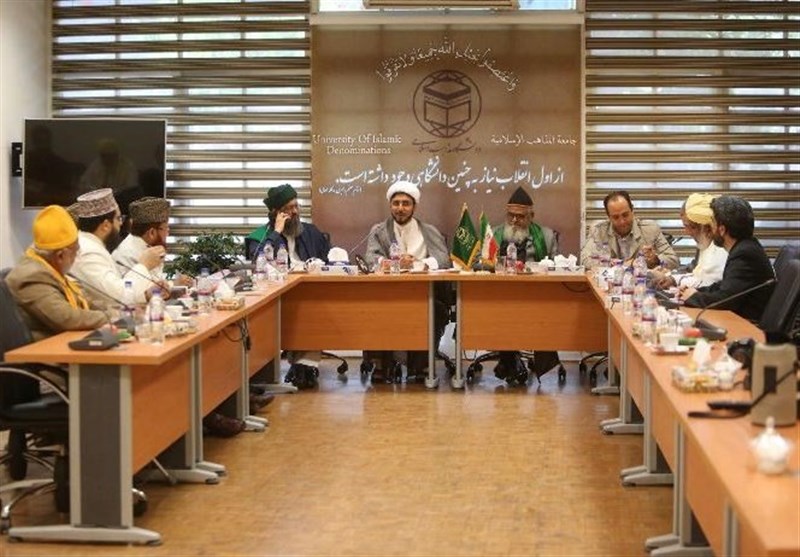
نشست بررسی ظرفیت‌های فکری-فرهنگی دفاع مقدس در پیشگیری و مقابله با گسترش اندیشه تکفیری در دانشگاه مذاهب اسلامی برگزار شد.

به گزارش ایسنا، در این نشستT دکتر سعدالله زارعی پیرامون چرایی و چگونگی بدیل‌سازی اندیشه‌های جهادی، دفاعی توسط سرویس‌های امنیتی غرب بیان کرد: پیروزی انقلاب اسلامی موجب شد که غرب متوجه شود با دردسر بزرگی روبرو است. برای همین غربی‌ها انواع و اقسام اقدامات را برای جستن از  خطرات انقلاب اسلامی در دستور کار خود قرار دادند که عمده این اقدامات با محوریت اسرائیل صورت گرفت.

وی افزود: اساسا غرب با چالش بزرگی به نام انقلاب ایران مواجه شد. همچنین راه مقابله و مهار یا خنثی‌سازی این انقلاب نیز برایشان غافلگیری دومی را رقم زد. اما اینکه گاهی گفته می‌شود این مسئله قابل پیش‌بینی برای غربی‌ها بوده است اشتباه خواهد بود چرا که انقلاب مذهبی ما برای آن‌ها یک پدیده ناشناخته به حساب می‌آمد بنابراین اگر مقابله‌ای از سوی غربی‌ها در رابطه با قابل پیش‌بودن انقلاب ارائه می‌شود پژوهشی مبتنی بر کشف واقعیت بوده است. برای اینکه آیا انقلاب قابل پیش‌بینی بوده است یا باید به اسناد و اطلاعات تکیه شود.

این پژوهشگر یادآور شد: پس از آنکه آمریکا و غرب راه‌های مختلفی را برای مقابله با انقلاب اسلامی ایران امتحان کردند به این نتیجه رسیدند که باید مذاهب را به جنگ انقلاب اسلامی آورد. اما در همین مسئله نیز غرب به دلیل اینکه متکی بر انگاره‌های غیرمذهبی است همواره جنبش‌های مذهبی علیه ایران را پس از چند وقت ضعیف نگاه داشته است. یکی از ویژگی‌های انقلاب اسلامی ما این بود که پس از پیروزی‌اش افراد یا گروه‌هایی که گرایش دینی نداشتند نیز زیبایی آن را درک کردند.

زارعی با اشاره به اینکه غربی‌ها  عامل پیدایش، توسعه، حفظ و انجام عملیات حامی جریان‌های تروریستی در منطقه هستند، گفت: این سرویس‌های اطلاعاتی و امنیتی غرب برای پیدایش این گروه‌ها مانند داعش و جبهه النصره بستر را فراهم کرده‌اند. به خوبی می‌توانیم این موضوع را درک کنیم که در سال 93 آمریکا از داعش و گروه‌های این چنینی در منطقه به عنوان جنبش‌های عدالت‌طلب که در هویت اهل سنت‌شان تبعیض شده است، نام می‌بردند اما پس از آنکه این گروه‌ها بر آمریکایی‌ها فائق آمدند ادبیات‌شان نسبت به آن‌ها تغییر کرد.

وی در بخش دیگر سخنان خود در رابطه با الگوی انقلاب اسلامی ایران توضیح داد: مذهبی و دینی بودن انقلاب، رهبری آشکار و واضح آن، داشتن موارد عقیدتی روشن و عمیق، روشن بودن تکلیف آن با مقوله جهاد، مدارای عقیدتی، حرکت‌های تهاجمی مبتنی بر آزادسازی سرزمین‌ها، برقراری مناسبات خارجی در گستره دینی به غیر از اسرائیل و آمریکا، مسئله آبرومندی مسلمانان، آرمان‌گرایی روشن و عرف‌پذیری انقلاب از جمله این الگوها هستند. بنابراین دستگاه‌های امنیتی و گروه‌های تروریستی با بدل‌سازی این مقوله‌ها خواهان مبارزه با انقلاب بودند. به عنوان مثال گروه‌هایی مانند داعش رهبری فرهمند را نادیده گرفته‌اند و به رهبری سازمان تبدیل کرده‌اند. آن‌ها عرف‌ستیز هستند. با این استدلال که معتقد هستند بکش تا زنده بمانی. همچنین با ایجاد ترس به دنبال پیروزی هستند. آن‌ها می‌خواهند با رازآفرینی برای خود قداست کسب کنند. این‌ها نمونه‌ای از بدل‌های الگوهای انقلاب ما هستند.

در ادامه این نشست، حجت‌الاسلام یحیی جهانگیری در سخنانی بیان کرد: دشمنان و غرب آنچنان دایره کفر را بسط داده‌اند که تمام مسلمانان را کافر بشناسند. با این کار می‌خواهند تمام تمدن اسلام را به نابودی بکشانند. ما در مواجهه با غرب با دو مولفه روبرو بودیم: نخست اینکه باید پیدایش گروه‌های جهادی را از ابتدا ناشگون بشماریم یا اینکه آن‌ها مبارک باشند. بی‌شک اگر این گروه‌ها هدایت درستی داشتند می‌توانستند در برابر غرب بایستند و مقابله کنند.  

وی افزود: با نگاهی تاریخی به دوره سید قطب متوجه می‌شویم که او نگاهی جغرافیایی به حرب و کفر و موضوع دارالاسلام داشت و هر چه پیش رفتیم این مفهوم توسعه یافت و گاهی نیز در دوره‌های سایر متفکران حالتی منفعل به خود گرفت. تا اینکه پس از سال 2000 در کشور عراق زرقاوی یادآور شد که طرفداران این بینش با چهار دسته دشمن مرتدون یعنی سنی‌هایی که با آن‌ها همکاری نمی‌کنند، صلیبیون غربی‌ها، صفویون ایرانی‌ها و رافضیون شیعیان عراق مواجه هستند. آن‌ها آمدند گفتند که شیعه و سنی که با یکدیگر همکاری می‌کنند دشمن قریب و غربی‌ها دشمن بعید ما هستند.

جهانگیری خاطرنشان کرد: یکی از موضوعاتی که در دفاع مقدس با آن روبرو بودیم این بود که هر اتفاقی که قرار بود درآن رخ بدهد مبتنی بر آموزه‌های قرآن به اذن یک فقید بود اما امروزه جهاد در بین گروه‌های اهل سنت عامیانه شده است و هر کس برای خودش حکمی صادر می‌کند و در حقیقت جهاد را به قتال تقلیل داده‌اند تا به این شیوه به اسلام ضربه وارد کنند و آن را جنگ و خونریزی بنامند.

در بخش دیگر این نشست، دکتر مجید بذرافکن یادآور شد: در دوره رضاخان و آتاتورک توان دفاعی و نظامی ما به دلیل وابسته بودن به غرب کاهش یافته بود و کیان جامعه اسلامی، عزت فرهنگی-اجتماعی و توانایی سیاسی-نظامی ما رو به افول بود. اما پس از سال 57 این موارد ترمیم شد و نه تنها داخل ایران انقلاب به پیروزی رسید بلکه مولفه‌های آن نیز به سایر کشورها صادر شد. به عنوان مثال، سال 2000 بخشی از جنوب لبنان از دست اسرائیل آزاد شد. سال 2006 و 2008 نیز جنگ‌های 22 و 33 روزه شکل گرفت که براساس بینش اسلامی امام (ره) و اندیشه دفاعی-جهادی ایشان به پیروزی رسیدند.

وی خاطرنشان کرد: مسئله‌ای که باید به آن توجه داشت این است که باید این تجربه‌ها و سیر تاریخی مورد پژوهش واقع شود تا تداوم یابد.

http://www.isna.ir/news/96030905530/%D8%B8%D8%B1%D9%81%DB%8C%D8%AA-%D9%87%D8%A7%DB%8C-%D9%81%DA%A9%D8%B1%DB%8C-%D9%81%D8%B1%D9%87%D9%86%DA%AF%DB%8C-%D8%AF%D9%81%D8%A7%D8%B9-%D9%85%D9%82%D8%AF%D8%B3-%D8%AF%D8%B1-%D9%85%D9%82%D8%A7%D8%A8%D9%84%D9%87-%D8%A8%D8%A7-%DA%AF%D8%B3%D8%AA%D8%B1%D8%B4-%D8%A7%D9%86%D8%AF%DB%8C%D8%B4%D9%87-%D8%AA%DA%A9%D9%81%DB%8C%D8%B1%DB%8C


ظرفیت‌های فکری-فرهنگی دفاع مقدس در مقابله با گسترش اندیشه تکفیری بررسی شد

نشست

نشست بررسی ظرفیت‌های فکری-فرهنگی دفاع مقدس در پیشگیری و مقابله با گسترش اندیشه تکفیری در دانشگاه مذاهب اسلامی برگزار شد.

به گزارش ایسنا، در این نشستT دکتر سعدالله زارعی پیرامون چرایی و چگونگی بدیل‌سازی اندیشه‌های جهادی، دفاعی توسط سرویس‌های امنیتی غرب بیان کرد: پیروزی انقلاب اسلامی موجب شد که غرب متوجه شود با دردسر بزرگی روبرو است. برای همین غربی‌ها انواع و اقسام اقدامات را برای جستن از  خطرات انقلاب اسلامی در دستور کار خود قرار دادند که عمده این اقدامات با محوریت اسرائیل صورت گرفت.

وی افزود: اساسا غرب با چالش بزرگی به نام انقلاب ایران مواجه شد. همچنین راه مقابله و مهار یا خنثی‌سازی این انقلاب نیز برایشان غافلگیری دومی را رقم زد. اما اینکه گاهی گفته می‌شود این مسئله قابل پیش‌بینی برای غربی‌ها بوده است اشتباه خواهد بود چرا که انقلاب مذهبی ما برای آن‌ها یک پدیده ناشناخته به حساب می‌آمد بنابراین اگر مقابله‌ای از سوی غربی‌ها در رابطه با قابل پیش‌بودن انقلاب ارائه می‌شود پژوهشی مبتنی بر کشف واقعیت بوده است. برای اینکه آیا انقلاب قابل پیش‌بینی بوده است یا باید به اسناد و اطلاعات تکیه شود.

این پژوهشگر یادآور شد: پس از آنکه آمریکا و غرب راه‌های مختلفی را برای مقابله با انقلاب اسلامی ایران امتحان کردند به این نتیجه رسیدند که باید مذاهب را به جنگ انقلاب اسلامی آورد. اما در همین مسئله نیز غرب به دلیل اینکه متکی بر انگاره‌های غیرمذهبی است همواره جنبش‌های مذهبی علیه ایران را پس از چند وقت ضعیف نگاه داشته است. یکی از ویژگی‌های انقلاب اسلامی ما این بود که پس از پیروزی‌اش افراد یا گروه‌هایی که گرایش دینی نداشتند نیز زیبایی آن را درک کردند.

زارعی با اشاره به اینکه غربی‌ها  عامل پیدایش، توسعه، حفظ و انجام عملیات حامی جریان‌های تروریستی در منطقه هستند، گفت: این سرویس‌های اطلاعاتی و امنیتی غرب برای پیدایش این گروه‌ها مانند داعش و جبهه النصره بستر را فراهم کرده‌اند. به خوبی می‌توانیم این موضوع را درک کنیم که در سال 93 آمریکا از داعش و گروه‌های این چنینی در منطقه به عنوان جنبش‌های عدالت‌طلب که در هویت اهل سنت‌شان تبعیض شده است، نام می‌بردند اما پس از آنکه این گروه‌ها بر آمریکایی‌ها فائق آمدند ادبیات‌شان نسبت به آن‌ها تغییر کرد.

وی در بخش دیگر سخنان خود در رابطه با الگوی انقلاب اسلامی ایران توضیح داد: مذهبی و دینی بودن انقلاب، رهبری آشکار و واضح آن، داشتن موارد عقیدتی روشن و عمیق، روشن بودن تکلیف آن با مقوله جهاد، مدارای عقیدتی، حرکت‌های تهاجمی مبتنی بر آزادسازی سرزمین‌ها، برقراری مناسبات خارجی در گستره دینی به غیر از اسرائیل و آمریکا، مسئله آبرومندی مسلمانان، آرمان‌گرایی روشن و عرف‌پذیری انقلاب از جمله این الگوها هستند. بنابراین دستگاه‌های امنیتی و گروه‌های تروریستی با بدل‌سازی این مقوله‌ها خواهان مبارزه با انقلاب بودند. به عنوان مثال گروه‌هایی مانند داعش رهبری فرهمند را نادیده گرفته‌اند و به رهبری سازمان تبدیل کرده‌اند. آن‌ها عرف‌ستیز هستند. با این استدلال که معتقد هستند بکش تا زنده بمانی. همچنین با ایجاد ترس به دنبال پیروزی هستند. آن‌ها می‌خواهند با رازآفرینی برای خود قداست کسب کنند. این‌ها نمونه‌ای از بدل‌های الگوهای انقلاب ما هستند.

در ادامه این نشست، حجت‌الاسلام یحیی جهانگیری در سخنانی بیان کرد: دشمنان و غرب آنچنان دایره کفر را بسط داده‌اند که تمام مسلمانان را کافر بشناسند. با این کار می‌خواهند تمام تمدن اسلام را به نابودی بکشانند. ما در مواجهه با غرب با دو مولفه روبرو بودیم: نخست اینکه باید پیدایش گروه‌های جهادی را از ابتدا ناشگون بشماریم یا اینکه آن‌ها مبارک باشند. بی‌شک اگر این گروه‌ها هدایت درستی داشتند می‌توانستند در برابر غرب بایستند و مقابله کنند.  

وی افزود: با نگاهی تاریخی به دوره سید قطب متوجه می‌شویم که او نگاهی جغرافیایی به حرب و کفر و موضوع دارالاسلام داشت و هر چه پیش رفتیم این مفهوم توسعه یافت و گاهی نیز در دوره‌های سایر متفکران حالتی منفعل به خود گرفت. تا اینکه پس از سال 2000 در کشور عراق زرقاوی یادآور شد که طرفداران این بینش با چهار دسته دشمن مرتدون یعنی سنی‌هایی که با آن‌ها همکاری نمی‌کنند، صلیبیون غربی‌ها، صفویون ایرانی‌ها و رافضیون شیعیان عراق مواجه هستند. آن‌ها آمدند گفتند که شیعه و سنی که با یکدیگر همکاری می‌کنند دشمن قریب و غربی‌ها دشمن بعید ما هستند.

جهانگیری خاطرنشان کرد: یکی از موضوعاتی که در دفاع مقدس با آن روبرو بودیم این بود که هر اتفاقی که قرار بود درآن رخ بدهد مبتنی بر آموزه‌های قرآن به اذن یک فقید بود اما امروزه جهاد در بین گروه‌های اهل سنت عامیانه شده است و هر کس برای خودش حکمی صادر می‌کند و در حقیقت جهاد را به قتال تقلیل داده‌اند تا به این شیوه به اسلام ضربه وارد کنند و آن را جنگ و خونریزی بنامند.

در بخش دیگر این نشست، دکتر مجید بذرافکن یادآور شد: در دوره رضاخان و آتاتورک توان دفاعی و نظامی ما به دلیل وابسته بودن به غرب کاهش یافته بود و کیان جامعه اسلامی، عزت فرهنگی-اجتماعی و توانایی سیاسی-نظامی ما رو به افول بود. اما پس از سال 57 این موارد ترمیم شد و نه تنها داخل ایران انقلاب به پیروزی رسید بلکه مولفه‌های آن نیز به سایر کشورها صادر شد. به عنوان مثال، سال 2000 بخشی از جنوب لبنان از دست اسرائیل آزاد شد. سال 2006 و 2008 نیز جنگ‌های 22 و 33 روزه شکل گرفت که براساس بینش اسلامی امام (ره) و اندیشه دفاعی-جهادی ایشان به پیروزی رسیدند.

وی خاطرنشان کرد: مسئله‌ای که باید به آن توجه داشت این است که باید این تجربه‌ها و سیر تاریخی مورد پژوهش واقع شود تا تداوم یابد.

http://www.isna.ir/news/96030905530/%D8%B8%D8%B1%D9%81%DB%8C%D8%AA-%D9%87%D8%A7%DB%8C-%D9%81%DA%A9%D8%B1%DB%8C-%D9%81%D8%B1%D9%87%D9%86%DA%AF%DB%8C-%D8%AF%D9%81%D8%A7%D8%B9-%D9%85%D9%82%D8%AF%D8%B3-%D8%AF%D8%B1-%D9%85%D9%82%D8%A7%D8%A8%D9%84%D9%87-%D8%A8%D8%A7-%DA%AF%D8%B3%D8%AA%D8%B1%D8%B4-%D8%A7%D9%86%D8%AF%DB%8C%D8%B4%D9%87-%D8%AA%DA%A9%D9%81%DB%8C%D8%B1%DB%8C


بررسی ظرفیت‌های دفاع مقدس در پیشگیری و مقابله با گسترش اندیشه تکفیری

آوینی فیلم - نشست بررسی ظرفیت‌های دفاع مقدس در پیشگیری و مقابله با گسترش اندیشه تکفیری،‌ سه شنبه نهم خردادماه در دانشگاه مذاهب اسلامی برگزار می‌شود.

 دفتر همکاری‌های علمی بین‌المللی دانشگاه مذاهب اسلامی با مشارکت و  همکاری دانشگاه جامع امام حسین(ع) نشست بررسی ظرفیت‌های دفاع مقدس در پیشگیری و مقابله با گسترش اندیشه تکفیری را برگزار می‌کند. محورهای برگزاری این نسشت عبارتند از: صورت بندی مؤلفه‌های جهادی اندیشه تکفیری در مواجهه با جهان غرب، چرایی و چگونگی بدیل سازی از اندیشه جهادی دفاعی انقلاب اسلامی توسط سرویس‌های امنیتی غرب، جایگاه عملی اندیشه جهادی دفاعی امام خمینی (ره) در مقابله با استعمار در تاریخ معاصر جهان اسلام است.نشست بررسی ظرفیت‌های دفاع مقدس در پیشگیری و مقابله با گسترش اندیشه تکفیری،‌ ساعت 10 صبح روز سه شنبه نهم خردادماه با سخنرانی سعدالله زارعی، حجت‌الاسلام یحیی جهانگیری،‌ مجید بذرافکن،‌ محمدعلی مؤمنی‌ها در سالن کنفرانس دانشگاه مذاهب اسلامی برگزار می‌شود.

سرویس : قم -   زمان :   ۱۳۹۶/۳/۴ - ۰۷:۳۵   شناسه خبر : ۶۳۱۲۶۴

پایان‌نامه دکتری به زبان انگلیسی در حوزه علمیه قم دفاع شد
خبرگزاری شبستان: پایان نامه دکتری با موضوع «مصلحت در فقه شیعه» توسط حجت الاسلام و المسلمین جهانگیری سهروردی به زبان انگلیسی دفاع شد.


به گزارش خبرگزاری شبستان از قم، پایان نامه ای به زبان انگلیسی در مقطع دکتری حوزه علمیه قم در مؤسسه بین المللی مطالعات اسلامی  دفاع شد.


این پایان نامه با موضوع «جایگاه مصلحت در فقه شیعه» توسط حجت الاسلام و المسلمین یحیی جهانگیری سهروردی، مبلغ بین المللی حوزه علمیه در سطح چهار (مقطع دکتری) مطالعات اسلامی به زبان انگلیسی دفاع شد.


پایان نامه «جایگاه مصلحت در فقه شیعه» در 196 صفحه تدوین شده است و اولین تولید در حوزه فقه شیعه در قالب پایان نامه انگلیسی است.


حجت الاسلام و المسلمین جهانگیری سهروردی با بیان این که موضوع «جایگاه مصلحت در فقه شیعه» به نیازهای بیرونی معارف شیعه پاسخ می دهد، عنوان کرد: این پایان نامه به زبان انگلیسی نوشته شده است و در بخش اول پایان نامه، چرایی مصلحت در فقه شیعه مورد بحث قرار گرفته است.


وی با اشاره به پیروزی انقلاب اسلامی و تشکیل حکومت اسلامی در ایران، افزود: از آنجا که شیعه اولین بار است که به طور جدی حکومتی بر اساس آموزه های شیعی تشکیل داده است، همین مسئله سبب شد که فقه شیعه نیاز پاسخگویی جدی به مسائل اجتماعی را پیدا کند.


استاد حوزه و دانشگاه یادآور شد: فقه شیعه در گذشته فقط فقه فردی بود و تنها به مسائلی چون نماز، روزه و غیره می پرداخت، اما وقتی وارد اجتماع شد، مسائلی مانند بانکداری، بیمه، حقوق شهروندی و ... مطرح شد.


حجت الاسلام و المسلمین جهانگیری سهروردی بیان داشت: پس از انقلاب اسلامی ایران، فقه شیعه برای اولین بار با ساختارهای اجتماعی و فقه اجتماع مواجه شد و باید رسالت خود را تعیین می کرد.


وی به پیشینه فقه شیعه پرداخت و تصریح کرد: برخی تصور می کنند که امام خمینی(ره) مصلحت را در فقه شیعه ابداع کرد؛ در حالی که مصلحت در فقه شیعه پیشینه درازی دارد و می توان آن را از دوران زندگی پیامبر گرامی اسلام(صلی الله علیه و آله) و ائمه اطهار(علیهم السلام) مورد بررسی قرار داد.


این مبلغ بین الملل حوزه بیان داشت: ازآنجا که شیعه همواره از حکومت‌ها دور بوده، به درستی نتوانسته تبلور پیدا کند؛ آنچه با امام خمینی(ره) و انقلاب اسلامی اتفاق افتاد، تبلور مصلحت در فقه شیعه است.


حجت الاسلام و المسلمین جهانگیری سهروردی  در ادامه به مقایسه تطبیقی بین مصلحت در فقه اهل سنت و فقه شیعه پرداخت و عنوان کرد: از آنجا که اهل سنت در طول تاریخ اسلام دارای حکومت بودند، مصلحت در فقه اهل سنت به صورت خیلی جدی مطرح شده است.


وی در این پایان نامه به مشترکات و اختلافات مصلحت در فقه شیعه و مصلحت در فقه اهل سنت اشاره کرده است و اظهار داشت: در این پایان نامه به دو مسئله پاسخ داده شده است، از جمله این که اصل مصلحت در فقه شیعه چه اتفاقاتی را می تواند رقم بزند که در این راستا به صورت کاملا عینی برررسی شد.


استاد حوزه و دانشگاه افزود: در این پایان نامه به این سؤال نیز پاسخ داده شده است که بعد از انقلاب اسلامی مصلحت چگونه توانسته است چالش های جمهوری اسلامی ایران را در مواجهه با فقه شیعه پاسخ دهد؛ همچنین مجمع تشخیص مصلحت نظام به عنوان نهادی که متولی مصلحت در کشور است، مورد بررسی قرار گرفت.


حجت الاسلام و المسلمین جهانگیری سهروردی  تصریح کرد: عده ای معتقد هستند که حضور مصلحت در فقه شیعه سبب می شود که به خاطر مصلحت ها از حقیقت ها دست برداریم و به خاطر مصلحت ها به برخی احکام شرعی عمل نکنیم و این موضوع کم کم عرصه دین را کم و عرصه سکولاریزه را زیاد می کند؛ در حالی که این گونه نیست.


وی ادامه داد: نگاهی که امام خمینی (ره) به مصلحت در فقه شیعه داشتند، این بود که ما با حضور مصلحت می خواهیم به پویایی دین برسیم؛ به عنوان مثال امام خمینی(ره) به مدت چند سال رفتن به حج را ممنوع کردند، اما برای همیشه برنداشتند و این حکم به صورت حکم حکومتی و موقت اجرا شد.


این مبلغ بین المللی حوزه علمیه تأکید کرد: ما باید در تشخیص مصلحت ها دقت کنیم و به هر بهانه و مصلحتی نباید احکام شرعی را رها کنیم؛ این معارض با جاودانی و جهانگیر شدن و همگانی و همه گیر شدن اسلام است.


پایان پیام/41
 

@suhrawardi 👈, [١٣.٠٥.١٧ ٠٠:٠٠]
Iran’s Dr. Yahya Jahangiri, who is a professor at the Howzah or Seminary of holy Qom, points out that in the holy Qur' an, we come across the account of “As'hab al-Kahf” or Companions of the Cave – a group of some seven persons who during the era of the pagan Roman Empire in the period after the end of the mission of Prophet Jesus (AS), had sought asylum in a cave in the mountains of Levant or Syria in order to escape persecution. They fell asleep and woke up three centuries later. We find ayahs of the holy Qur’an stating that upon awakening from their sleep, the companions asked how long they had slept. Their answers circulated around ideas of half a day or one full day. They were surprised when later Almighty Allah revealed to them that they had been asleep for three hundred years. They were amazed at this and left the cave to find out for themselves. They witnessed the changes that the city had undergone and realized that they had indeed slept for much longer than they thought. They came to understand the truth in what Allah had told them, as stated by ayahs 19 of the surah of the holy Qur’an titled “al-Kahf”.

"So it was that We aroused them [from sleep] so that they might question one another. One of them said, ‘How long have you stayed [here]?’ They said, ‘We have stayed a day, or part of a day.’ They said, ‘Your Lord knows best how long you have stayed. Send one of you to the city with this money. Let him observe which of them has the purest food, and bring you provisions from there. Let him be attentive, and let him not make anyone aware of you.”

Ayahs 25 and 26 of the same surah inform us:

“They remained in the Cave for three hundred years, and added nine more [to that number].”

“Say, ‘Allah knows best how long they remained. To Him belongs the Unseen of the heavens and the earth...”

Ironically though, the changes on their appearance reflected their hypothesis of being asleep for only one day or half a day, the changes in their surroundings demonstrated that they had been asleep for over three hundred years. Though this was all impossible for them to understand, they believed when they saw it for themselves. Thus, although the world around them had aged for three hundred years, they had only aged for one full day or half a day.

Iran’s Dr. Yahya Jahangiri then points out that the holy Qur'an also mentions the account of Prophet Ozair – or Ezra as he is known in the West. When Ozair was passing a destroyed village where apparently all people were dead, he asked Allah on the process of resurrection. Allah asked him what he was holding in his right and left hands. He suddenly fell asleep and when he woke up Allah asked him about the duration of his sleep. He responded with the same answer as the one given by the “As'hab Al-Kahf” – that is, one full day or half a day. The apparent changes on his body indicated that he had only slept for as long as he had guessed for. But Allah told him that he had been sleeping for a hundred years. He asked Allah how was this possible and how despite the timeframe, no changes had taken over his body?

Ayah 259 of Surah “al-Baqara” says in this regard:

“Or (consider) him who came upon a township as it lay fallen on its trellises. He said, ‘How will Allah revive this after its death?!’ So Allah made him die for a hundred years, then He resurrected him. He said, ‘How long have you remained?’ Said he, ‘I have remained a day or part of a day.’ He said, ‘Rather you have remained a hundred years. Now look at your food and drink which have not rotted! Then look at your ass! [This was done] that We may make you a sign for mankind. And look at the bones, how We arrange them and then clothe them with flesh!’ When it became evident to him, he said, ‘I know that Allah has power over all things.’”

@suhrawardi 👈, [١٣.٠٥.١٧ ١٦:٤٦]
So how can this be? Is it possible to live for such a long period? And can he live long yet not age physically?

Let us clarify the answers to these questions on the basis of the ayahs of the holy Qur'an and authentic Hadith.

Iran’s Dr. Yahya Jahangiri, who is a professor at the Howzah or Seminary of holy Qom, points out that in the holy Qur' an, we come across the account of “As'hab al-Kahf” or Companions of the Cave – a group of some seven persons who during the era of the pagan Roman Empire in the period after the end of the mission of Prophet Jesus (AS), had sought asylum in a cave in the mountains of Levant or Syria in order to escape persecution. They fell asleep and woke up three centuries later. We find ayahs of the holy Qur’an stating that upon awakening from their sleep, the companions asked how long they had slept. Their answers circulated around ideas of half a day or one full day. They were surprised when later Almighty Allah revealed to them that they had been asleep for three hundred years. They were amazed at this and left the cave to find out for themselves. They witnessed the changes that the city had undergone and realized that they had indeed slept for much longer than they thought. They came to understand the truth in what Allah had told them, as stated by ayahs 19 of the surah of the holy Qur’an titled “al-Kahf”.

"So it was that We aroused them [from sleep] so that they might question one another. One of them said, ‘How long have you stayed [here]?’ They said, ‘We have stayed a day, or part of a day.’ They said, ‘Your Lord knows best how long you have stayed. Send one of you to the city with this money. Let him observe which of them has the purest food, and bring you provisions from there. Let him be attentive, and let him not make anyone aware of you.”

Ayahs 25 and 26 of the same surah inform us:

“They remained in the Cave for three hundred years, and added nine more [to that number].”

“Say, ‘Allah knows best how long they remained. To Him belongs the Unseen of the heavens and the earth...”

Ironically though, the changes on their appearance reflected their hypothesis of being asleep for only one day or half a day, the changes in their surroundings demonstrated that they had been asleep for over three hundred years. Though this was all impossible for them to understand, they believed when they saw it for themselves. Thus, although the world around them had aged for three hundred years, they had only aged for one full day or half a day.

Iran’s Dr. Yahya Jahangiri then points out that the holy Qur'an also mentions the account of Prophet Ozair – or Ezra as he is known in the West. When Ozair was passing a destroyed village where apparently all people were dead, he asked Allah on the process of resurrection. Allah asked him what he was holding in his right and left hands. He suddenly fell asleep and when he woke up Allah asked him about the duration of his sleep. He responded with the same answer as the one given by the “As'hab Al-Kahf” – that is, one full day or half a day. The apparent changes on his body indicated that he had only slept for as long as he had guessed for. But Allah told him that he had been sleeping for a hundred years. He asked Allah how was this possible and how despite the timeframe, no changes had taken over his body?

Ayah 259 of Surah “al-Baqara” says in this regard:

“Or (consider) him who came upon a township as it lay fallen on its trellises. He said, ‘How will Allah revive this after its death?!’ So Allah made him die for a hundred years, then He resurrected him. He said, ‘How long have you remained?’ Said he, ‘I have remained a day or part of a day.’ He said, ‘Rather you have remained a hundred years. Now look at your food and drink which have not rotted! Then look at your ass! [This was done] that We may make you a sign for mankind. And look at the bones, how We arrange them and then clothe them with flesh!’ When it became evident to him, he said, ‘I know that Allah has power over all things.’”

@suhrawardi 👈, [١٣.٠٥.١٧ ١٦:٤٦]
Allah reminded Prophet Ozair to keep his patience. Allah then inquired about the condition of his food. Prophet Ozair looked over at the food and judging from its condition, he thought it must've been only day or half a day. Interestingly, the freshness of the food, despite the passing of a century, in contrast to the ass which had turned to bare bones during this lengthy period before being revived by God, demonstrated two different timeframes. This portrayed the notion that there must be more than one form of recording time.

During the days of the Imams of the Ahl al-Bayt, people would ponder over the concept of time and aging. For instance once Imam Husain (AS), and some seven decades later, the Prophet’s 6th Infallible Heir, Imam Ja’far Sadeq (AS), were both asked in regards to Imam Mahdi (AS). The replies given by them were similar - that Imam Mahdi (AS) will reappear as a young man.

In addition to Imam Mahdi's (AS) good manners and excellent intellect, the Prophet of Islam also described the physical characteristics of his 12th Heir in great detail. These descriptions are so detailed and explicit that when he reappears, people will be able to immediately recognize him, as the People of the Book, that is, the Jews and Christians, had recognized Prophet of Islam, on the basis of what they had read in their holy scriptures regarding the advent of the Greatest-ever messenger with the universal creed of monotheism. Ayah 146 of Surah “al-Baqara” says of this fact of recognition of truth as well as their mischievous efforts to hide it.

“Those whom We have given the Book recognize him just as they recognize their sons, but a part of them indeed conceal the truth while they know.

Dr. Yahya Jahangiri of the Qom Seminary says that this ayah is also a figurative reference to the recognition of Imam Mahdi (AS). When he reappears, people will recognize him in the light of the descriptions given by the Prophet – “as they recognize their own sons” – but despite this fact, some people will still deny him. The various Hadith narrated from the Prophet of Islam say Imam Mahdi (AS) will reappear with Prophet Jesus (AS), and they will face Dajjal the antichrist and annihilate this misleader. There are several Hadith detailing the morale of Imam Mahdi (AS) and the activities that he will engage in. In short, the attributes of the Imam of the Age are clearly outlined and done so with the purpose of his easy recognition.

For example, the Prophet refers to marks on the body of the 12th Imam such as a mole, as a sign and likens these to a leaf, a pearl or a star. His complexion, hair, beard, colour, stature, build, the general outline of his face, the shape of his head and forehead and features such as his eyebrows, nose and teeth are also mentioned in the astounding detail.

Contrastingly, according to narrations, we find there will be people who deny the mission of Imam Mahdi (AS) when he returns due to the time and age paradox. However, by analyzing the Qur’anic ayahs and hadith, we understand the possibility of this phenomenon. These indicate how different changes can take place in one event. The main idea here is the preservation of time and its control. What we must understand is that Imam Mahdi (AS) has been given the titles of the Timeless Imam or Imam of the Time (Imam-e Zamaan, Wali al-Asr). These attributes indicate that time is in his hands, by the Will of the All-Wise Allah.

@suhrawardi 👈, [١٣.٠٥.١٧ ١٦:٤٦]
Besides the ayahs of the holy Qur’an and the hadith literature, scientifically speaking, there is no objection whatsoever to the longevity of life. Several years ago, a group of scientists conducted a series of experiments at the Rockefeller Institute in New York on certain "parts” of plants, animals, and humans. These scientists included Dr. Alex Carl, Dr. Jack Lope, and Dr. Warren Lewis among others. Among the experiments conducted was one that directly treated the nerves, muscles, hearts, skin, and kidneys of human beings. These organs were not connected to a human body; they were independent organs that were perhaps donated for the experiment. It was concluded by the scientists that these "parts or organs” can continue to live almost indefinitely as long as they are nourished properly, and as long as they are shielded from external negative interactions like microbes and other obstacles that might inhibit the growth of these organs; furthermore, the assertion was made that the cells would continue to grow normally under the above conditions, and that the growth is directly related to the nourishment provided. Again, aging had no effect on these organs, and they grew every year without any signs of deterioration. The scientists concluded that these organs will continue to grow as long as the patience of the scientists themselves is not exhausted, causing them to abandon the nourishment process.

The long occultation of Imam Mahdi (AS) is therefore a test and a trial for humanity to correct their beliefs, to overcome their doubts, and to shun the disobedience of the laws of God, so as to be immune from divine wrath. Unfortunately, the tyrants blinded by power and wealth have continue to oppress and exploit humanity. This is the reason these deviant elements try to deny the concept of the Saviour, while some of them have drawn plan to confront Imam Mahdi (AS). The Abbasids had shuddered at the thought of his return and had launched a manhunt to discover his whereabouts but to no avail. This proves that no propaganda of the faithless, no plot of the tyrannical powers, no ploy of the hypocrites, and no treason of the Takfiris can confront what God has already decreed. The One promised by God, foretold by the Messenger of Mercy and expected in all religions as the Deliverer of humanity, will indeed reappear when the world would be brimming with violence, bloodshed, treachery, and all sorts of injustices – as the trend of events of our times indicates. He will make his advent at the holy Ka’ba, the Symbolic House of the One and Only Creator. He will stand between the Rukn al-Yamaani and the Maqaam al-Ibrahim (the Station of Prophet Abraham), and call five times for redemption of justice. Before his reappearance, Arabia will have been cleared of the filth of Godless Wahhabis, especially the ruling Saudi Najdi family of brigands with Jewish roots, who are masquerading as Muslims in order to destroy the spirit of Islam through their collaboration with the US and the Zionists, and their open enmity with the followers of the Prophet’s Ahl al-Bayt. Imam Mahdi (AS) will have as his lieutenant Prophet Jesus (AS) – who will reappear and disown Christianity – which means, most of the Europeans and Americans, having rid themselves of the despots in the White House and the Zionists, would by then be God-fearing believers, receptive to the universal mission of Islam, as preached by the 12th Imam whose mother was the spotlessly pure lady, Narjes, a granddaughter of the Byzantine emperor and a direct descendant through her mother of Simeon, one of the 12 disciples of the Virgin-born Messiah.